
THE SPICE IS RIGHT!
SHOP NOW!
4
Days5
Hours49
Minutes1
Seconds Until Halloween

Antique hunters and collectors of vintage wares have long held McCOY POTTERY in high regard. Known for its often whimsical designs, striking colors, and shiny glazes, McCOY POTTERY can also be used in a surprising number of ways. From planters, pitchers, vases and mugs to display bowls, flower pots, tea sets, umbrella stands, jardinière, urns, cookie jars, and tea sets, authentic pieces of McCoy are a collector’s dream come true.
In this post we’ll answer the following questions:
Well, read on to find out what we’ve learned about collecting McCoy over the years. Before that, please remember to PIN pics of your McCoy pieces on your favourite PINTEREST design and decor boards. You can also SHARE your pics with friends on your favourite socials like FACEBOOK and INSTAGRAM. Don’t forget to tag #weekendatthecottage whenever you post pics so we can see them too!
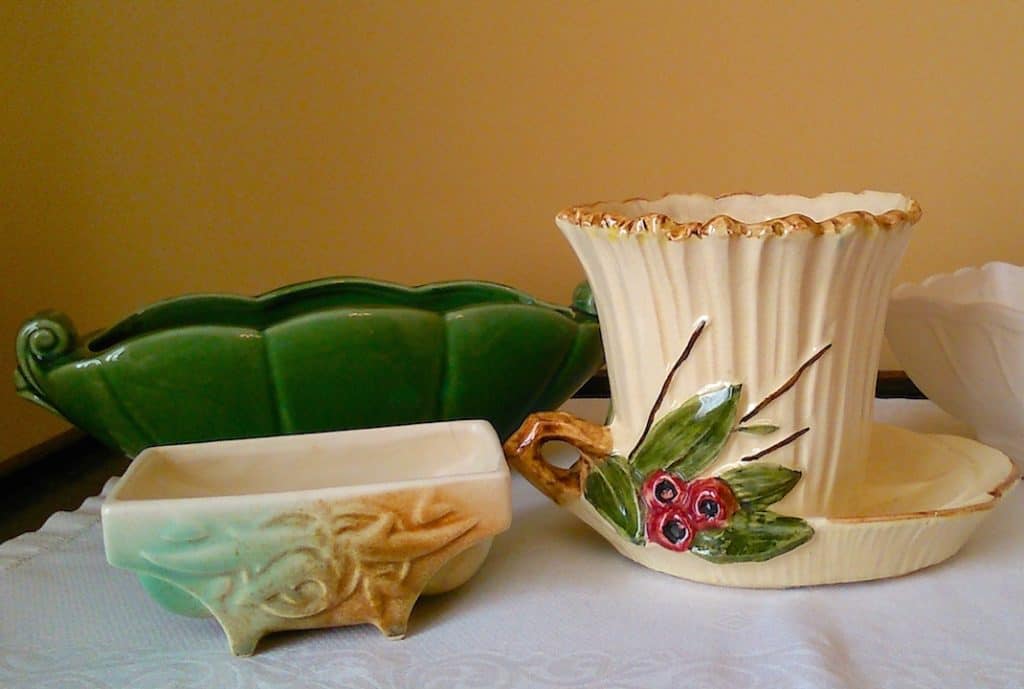
Let me start by saying, this is my kind of history lesson. The story of the McCoy Pottery Company begins in 1848, with the founder William Nelson McCoy building a pottery factory in Zanesville, Ohio. Nothing fancy, glazed or fanciful back then, instead, this small pottery factory operation produced functional items; jars, jugs, butter churns and crocks. These items were perfect for a growing nation; farmers, settlers and their families loved and used them.
The next part of this lesson continues with William Nelson’s son J.W. McCoy who in 1871, left Zanesville and moved to Roseville, Ohio. There, he opened a general store in 1876. J.W. soon noticed the local potters and local kilns were struggling to meet demand. In response to this, J.W. co-founded the Kildow, Williams, and McCoy Pottery Company. His strategy was to sell pottery from his store paired with selling wholesale pottery to other establishments. In 1888 the company was renamed the Midland Pottery Company. He sold this company to the now-famous Roseville Pottery Company in 1898.
But, wait a second, there’s another layer to this story. Seems there weren’t anti-competition agreements back in the day so, J.W. McCoy takes the money from the sale of Midland and forms a new company, “W.F McCoy Wholesale, dealer of Stoneware, Zanesville, Ohio”. This new company continued to make and sell simple utility ware at wholesale prices. Brilliant!
In 1904, J.W. McCoy noticed an important, almost fundamental change in the market; attractive art pottery was becoming all the rage. McCoy became a visionary; his jardinières, flowerpots, jugs and vases became highly sought-after works of art.
Then, guess what he did? He sold a controlling interest in this company to George Brush in 1911. The name was changed to the Brush-McCoy Pottery Company. In 1918 the McCoy family sold their remaining interest in the company. In 1925 the name ‘McCoy’ was dropped. The company continued as the Brush Pottery Company until 1982 when it closed.
Even with all of the above-detailed company building, J.W. McCoy assisted his young son, Nelson McCoy in creating a new company. The Nelson McCoy Sanitary Stoneware Company was founded in 1910. His new company produced utility stoneware. Then, in 1933, Nelson realized a demand for decorative pieces. Like his dad, he immediately responded to demand and introduced more artistic pieces to its repertoire. It wasn’t long before decorative pieces replaced the demand for utility ware. He changed the name of the company to ‘The Nelson McCoy Pottery Company’, the company collectors now know as McCoy Pottery.
For 57 years the company produced their distinctive, easily identifiable decorative pottery until the company was sold to the Mount Clemens Pottery Company in 1967. Then, in 1974, the company was sold yet again to Lancaster County. Nelson retired in 1981, and by 1985 the company was sold once more to Designer Accents who merged the two companies under the name of Nelson McCoy Ceramics. The company closed in 1990.
Unlike other storied American art potters such as Weller, Roseville Pottery Company, Redlands, Mount Clemens Pottery Company, Cowan, the Brush Pottery Company and Dryden, McCoy was less expensive and sold to the masses as wholesale pottery.
For the complete history of McCoy Pottery make sure to visit our friends at the McCoy Pottery Collectors Society. You can also click HERE for the WIKI article about McCoy.
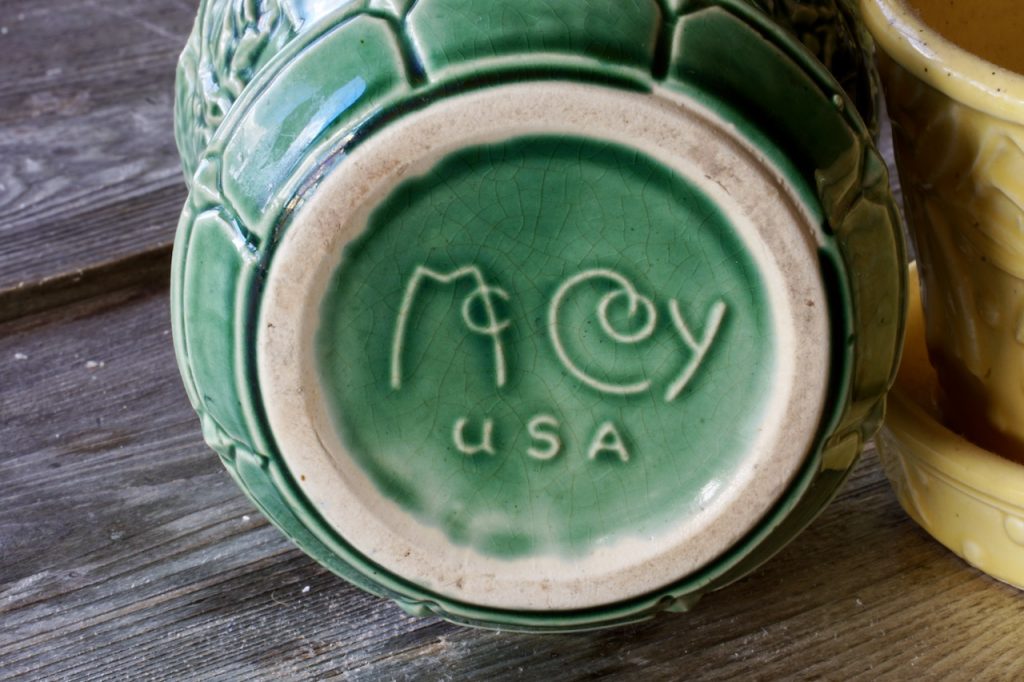
Virtually every piece of decorative pottery created by McCoy was machine-made in McCoy molds, fired in local kilns. Each bears the hallmark, a note of the art pottery, pictured above. Look for the hallmark where the “M” and “c” are entwined, followed by the “C” and “o” overlapping. The only true way of avoiding fakes and reproductions is to confirm the piece of pottery was made by the Nelson McCoy Pottery Company. We suggest looking in reference books though because each iteration of the company saw small tweaks to the logo whether a change to the name or imprints fired into the different designs. If you do see it there, it’s the real deal. Love the advertising that came with the logo though – brilliant!
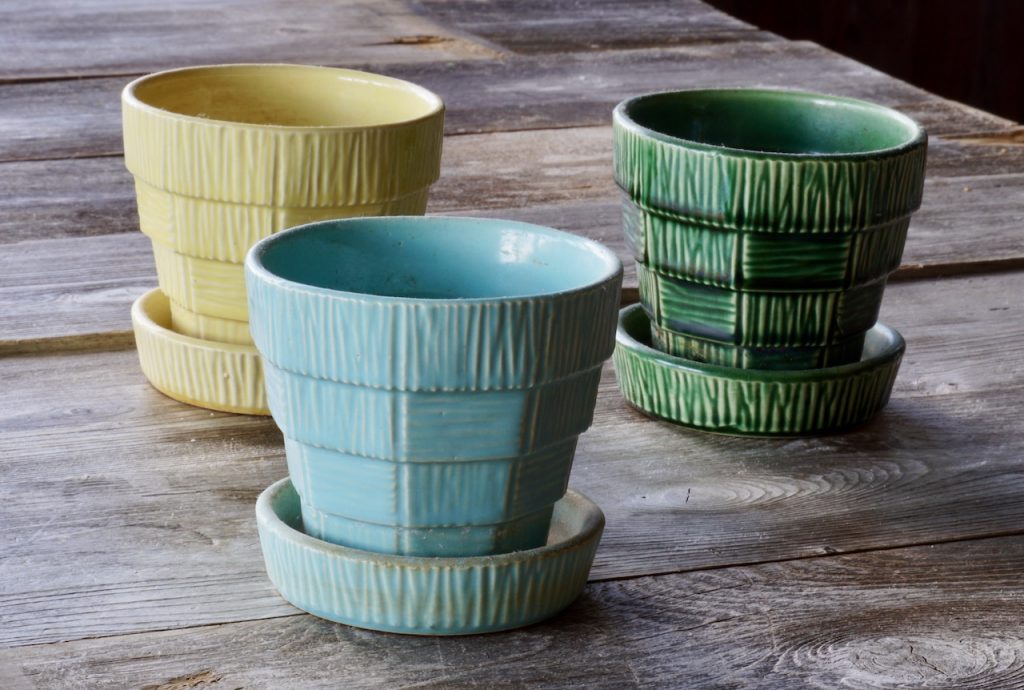
No matter how you spell it, color (or colour) is crucial in recognizing McCoy. From solid pastels in pale pink, turquoise, and yellow, to their more elegant multicolored blended glaze designs and graduated green glazes. Without a doubt, colour is perhaps the first thing about McCoy that catches your eye. When going to collect consider gathering complimentary colored groupings or, different designs in the same colour. A monochromatic collection of McCoy is also a great idea.
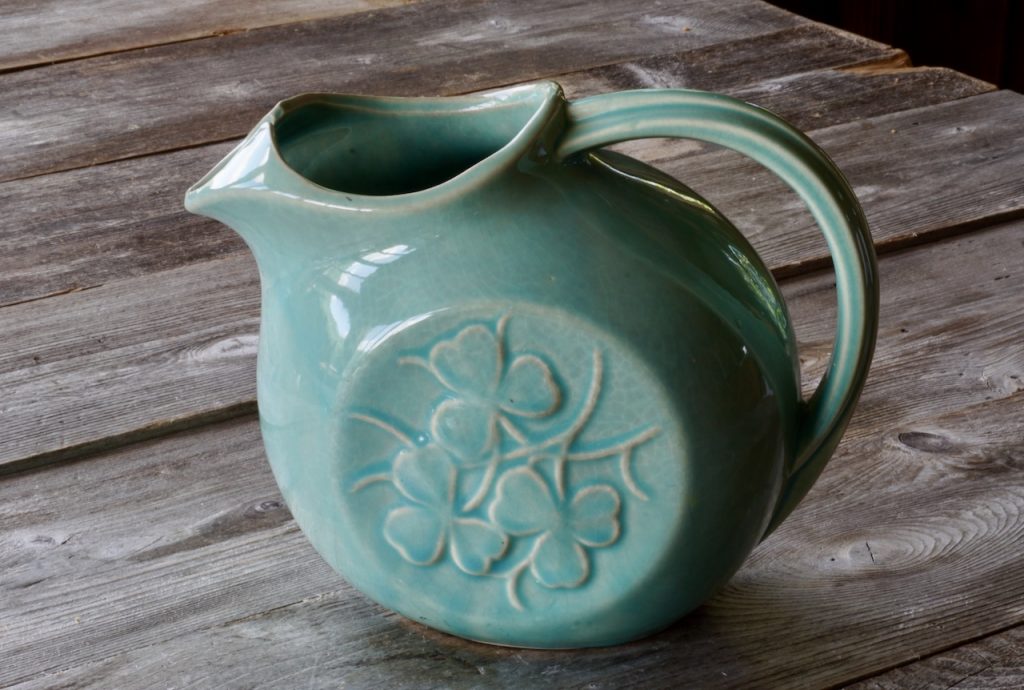
Although designed with a nod to being decorative, many collectors select pieces based on function. If vases are your thing look for pieces from the Wild Rose, Butterfly, or Blossom Time collections. If you love cookies, then why not start a McCoy Cookie Jar collection? I love planters, especially the ones where the saucers are attached to the pot. They added a wide range of useful, functional pieces to their repertoire. There are lots of ways to build your collection, find one that works for you. Whether you find flowerpots, jugs, churns or simple utility ware, when you see a piece of McCoy, buy it, pronto!
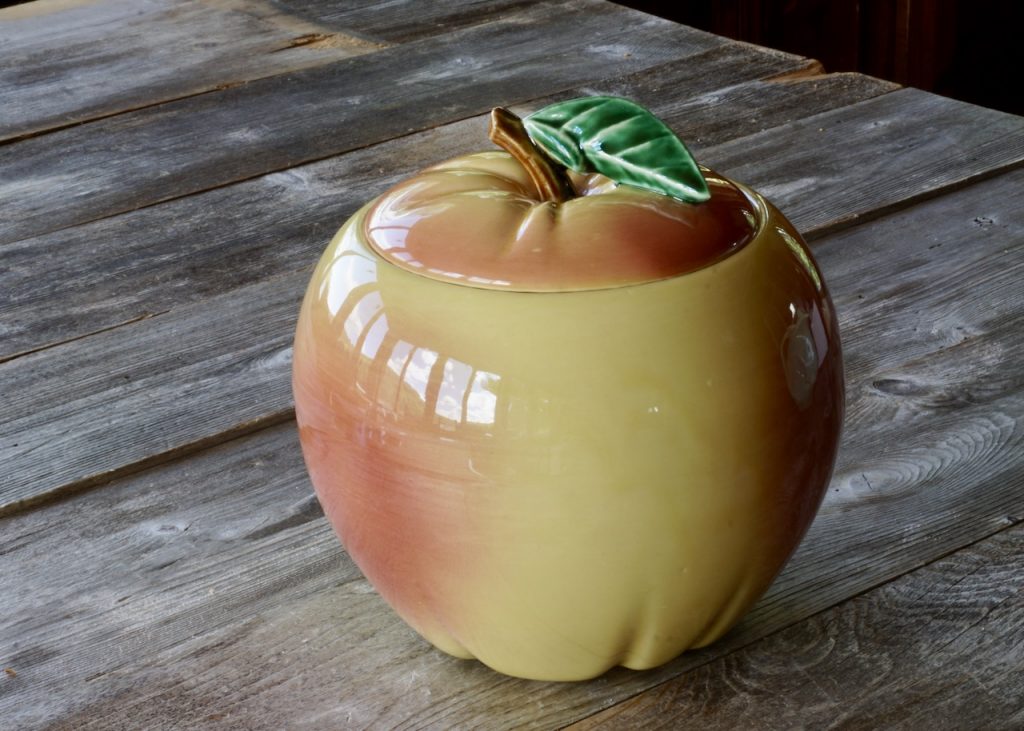
The final thing to consider when collecting McCoy Pottery is condition and this often most affects the value. Ideally, you want to find a piece in perfect condition, so no chips. That said, because of the occasional cracks or firing imperfections that happen “naturally”, as long as the piece is solid, and of course sparks your interest, again, purchase it! How much does an authentic piece of McCoy cost? If you’re lucky enough to find a flowerpot or jug at a tag or garage sale, you can expect to pay between $ 5 and $20. If you’re looking online, you may be purchasing from a collector or picker where prices may be higher – between $ 20 and $ 40. Good luck!!!
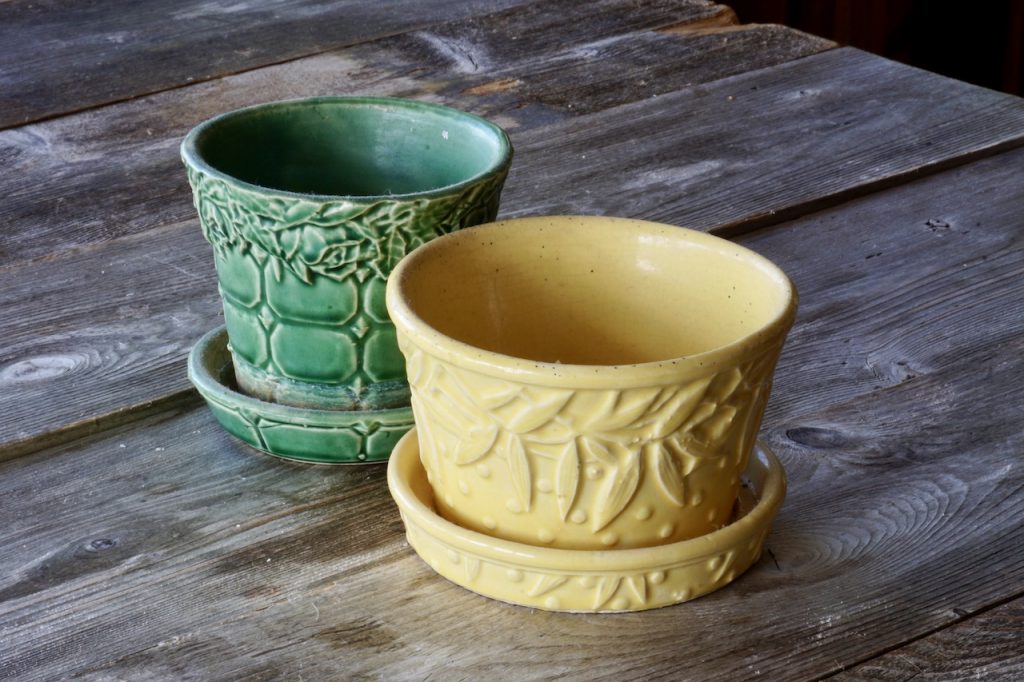
If for whatever reason you see a piece and it gets your heart thumping, negotiate a fair price, and snatch it up.
Before we send you off looking for your next treasure or fabulous find, don’t forget to check out our excellent story about CLARICE CLIFF TRANSFERWARE plus a special feature about our amazing CLARICE CLIFF TEAPOT!
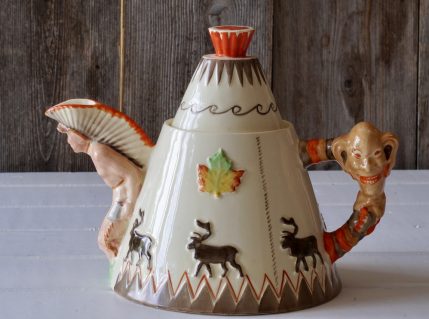
With a distinctive Canadian motif, this Clarice Cliff Teapot is a whimsical collectible…
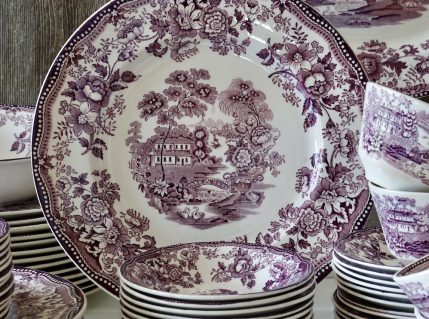
This striking mulberry coloured service was created by the master ceramicist Clarice Cliff. Find out what all the fuss is about…

From foundation and walls to roof, trim and finishing details, let’s build it!