Prepare the kajmak: Place all of the ingredients into a medium bowl. Using a hand blender, blend until light and creamy with all of the ingredients thoroughly combined. Measure the quantity for the cheese pie. Store the remaining in an airtight container. Keep refrigerated, enjoying within 2 weeks.
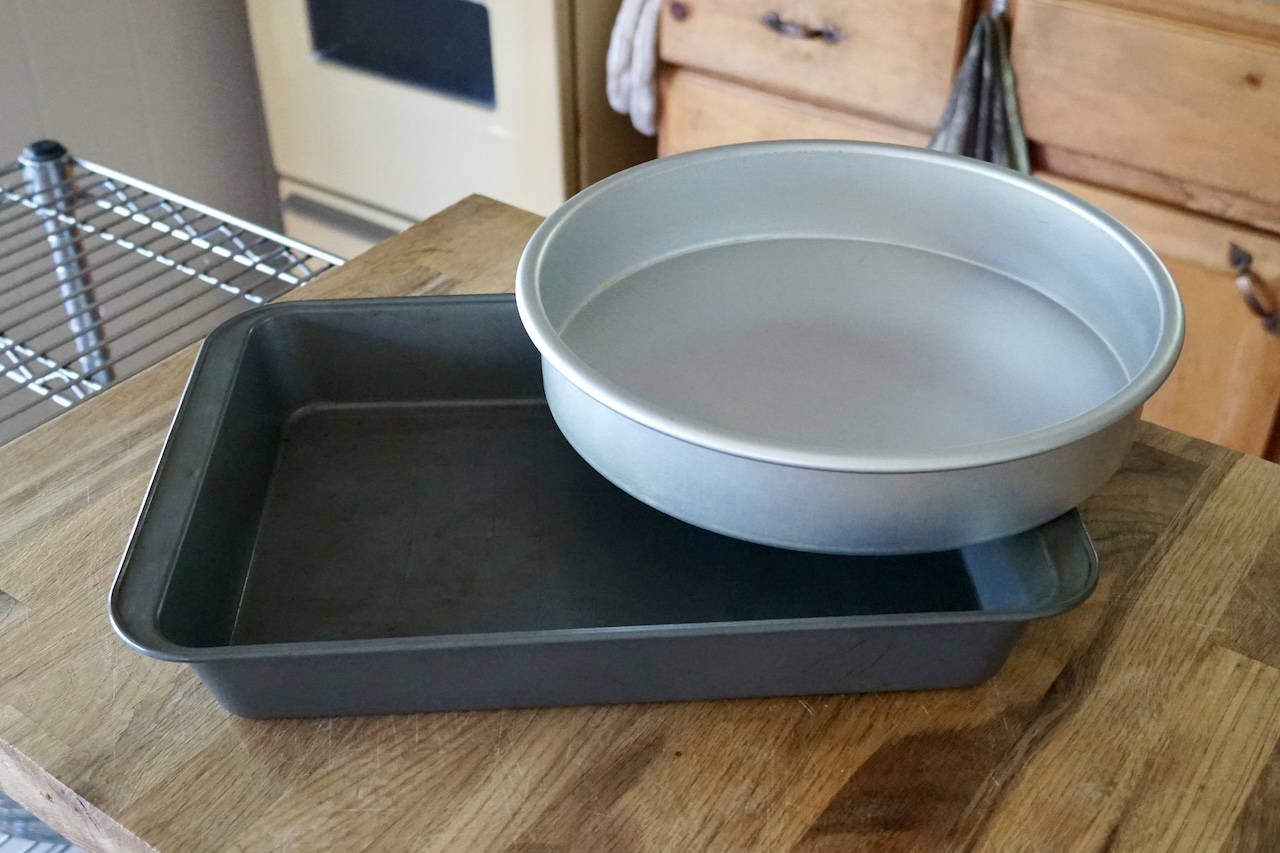
For the cheese pie: Preheat oven to 400°F. Grease a 9 x 13-inch metal pan or 12-inch circular pan with melted butter. Set aside.
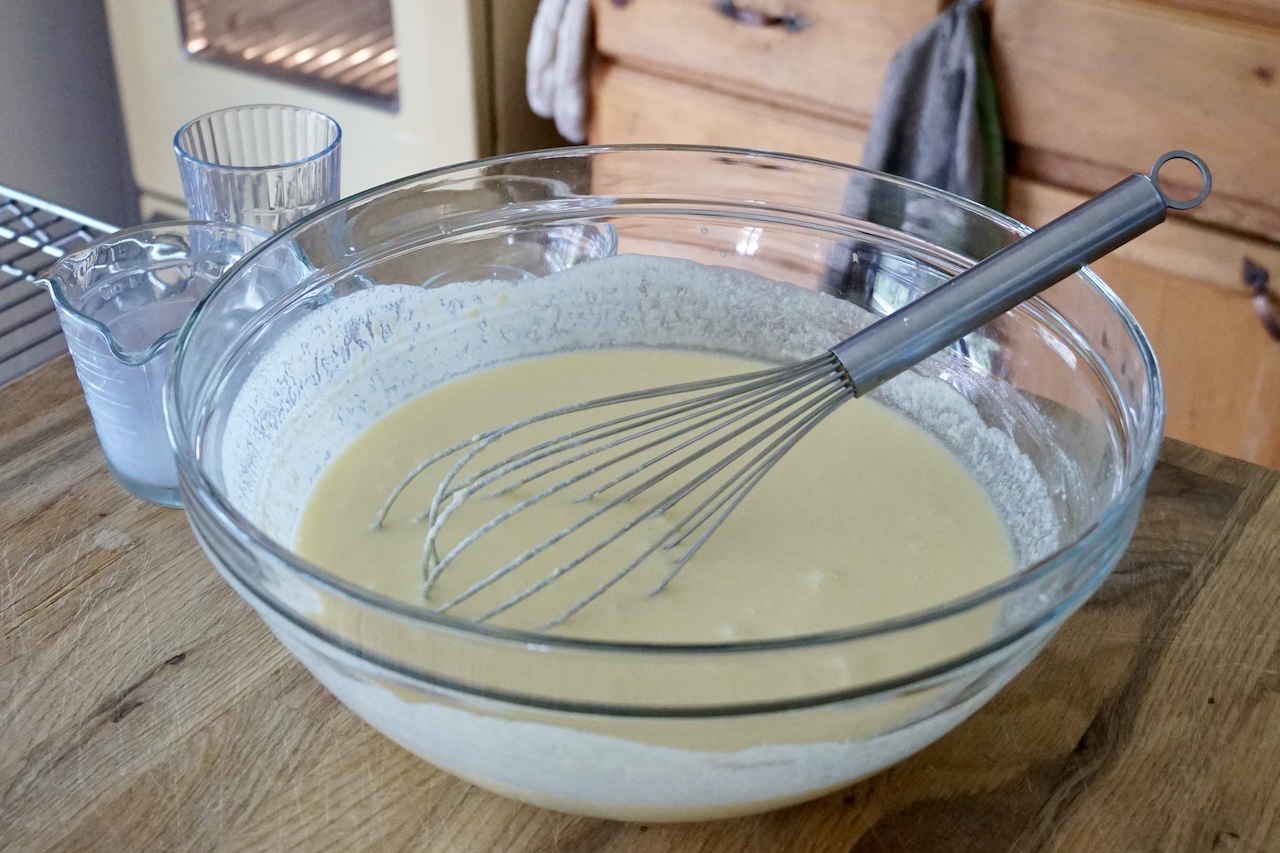
Create custard: Place eggs, cheese and kajmak into a large bowl, whisking together to incorporate. Add milk and water, whisk again.
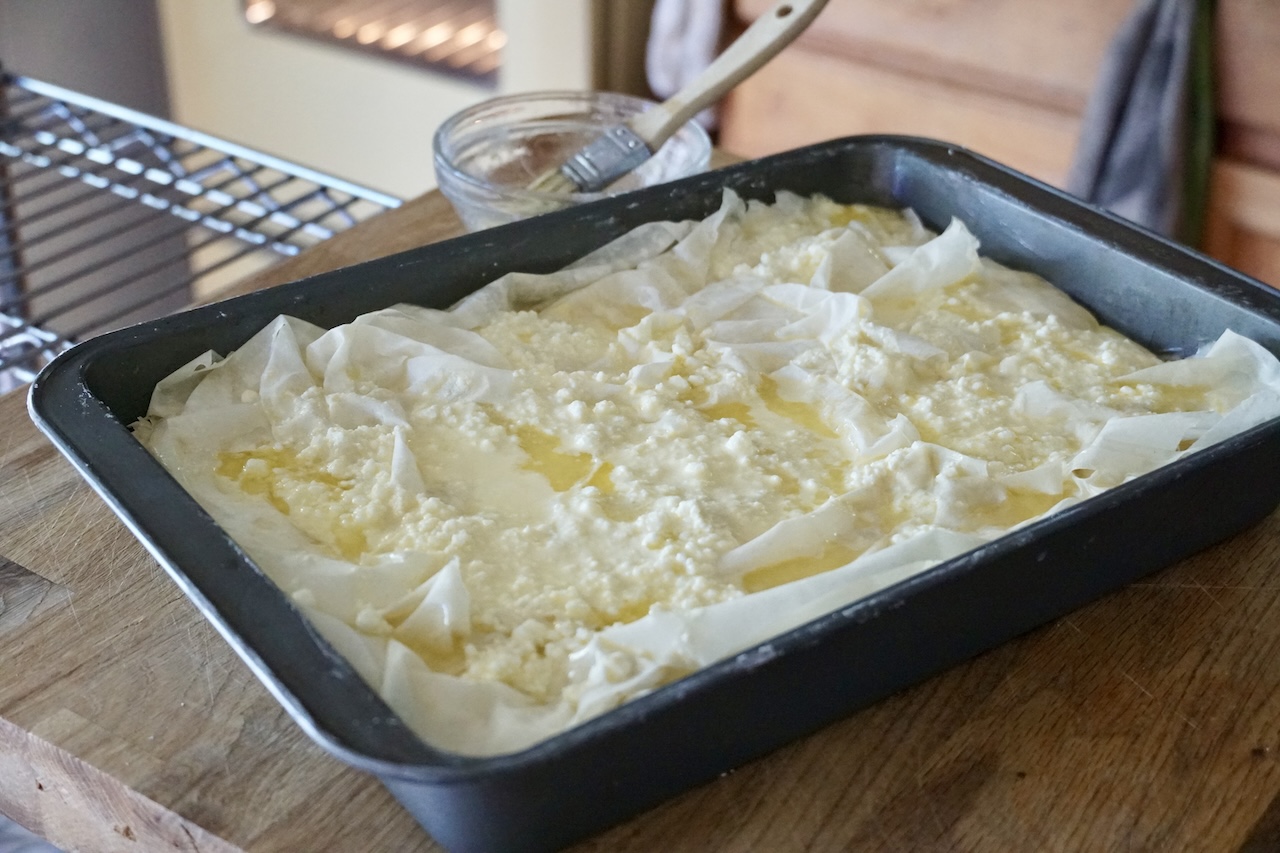
Assemble: Line the baking pan with two sheets of phyllo, leaving edges hanging over the sides on the pan. Place the bowl with the custard beside. Take one sheet of dough, dip it into the bowl, crumpling it and place it into the baking dish. Repeat, adding clumps of dough next to each other within the pan, using all of the dough and filling the pan with clumps. Once down to the final 2 sheets of dough, fold the overhanging edges over the filling then add the last two sheets of dough over the top. Poke holes into the top of the pie with a small sharp knife. Pour the remaining cheese mixture over the top of the pie, followed by any remaining melted butter.
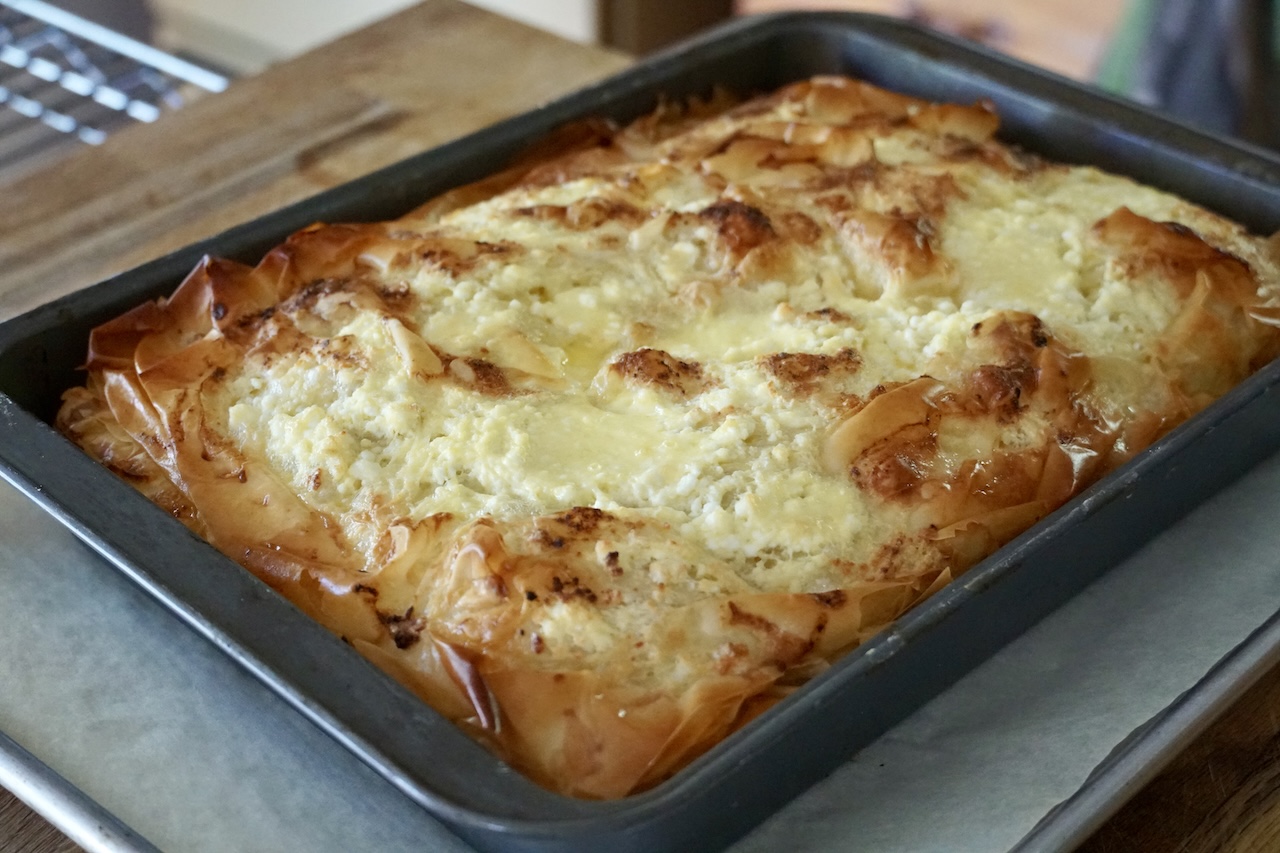
Transfer to the oven baking for 30 minutes or until the top is puffed and golden and the centre is set and springs back when poked.
Remove from oven. Cool for 5 minutes before cutting and serving.
Serbian Cheese Pie – Gibanica
Ingredients
6 eggs, room temperature
400 g ricotta cheese
200 g kajmak
⅓ cup sparkling mineral water
1 cup whole milk
1 tablespoon kosher salt
3 tablespoons melted butter
450 g phyllo pastry, thawed
For the kajmak:
2½ sticks salted butter, 275 g
1 package cream cheese, 250 g
6 ounces sour cream, 170 g
4 ounces feta cheese, crumbled, 110 g
Directions
Prepare the kajmak: Place all of the ingredients into a medium bowl. Using a hand blender, blend until light and creamy with all of the ingredients thoroughly combined. Measure the quantity for the cheese pie. Store the remaining in an airtight container. Keep refrigerated, enjoying within 2 weeks.
For the cheese pie: Preheat oven to 400°F. Grease a 9 x 13-inch metal pan or 12-inch circular pan with melted butter. Set aside.
Create custard: Place eggs, cheese and kajmak into a large bowl, whisking together to incorporate. Add milk and water, whisk again.
Assemble: Line the baking pan with two sheets of phyllo, leaving edges hanging over the sides on the pan. Place the bowl with the custard beside. Take one sheet of dough, dip it into the bowl, crumpling it and place it into the baking dish. Repeat, adding clumps of dough next to each other within the pan, using all of the dough and filling the pan with clumps. Once down to the final 2 sheets of dough, fold the overhanging edges over the filling then add the last two sheets of dough over the top. Poke holes into the top of the pie with a small sharp knife. Pour the remaining cheese mixture over the top of the pie, followed by any remaining melted butter.
Transfer to the oven baking for 30 minutes or until the top is puffed and golden and the centre is set and springs back when poked.
Remove from oven. Cool for 5 minutes before cutting and serving.
Serbian Cheese Pie – Gibanica
5 / 5. 1
Crumpled sheets of phyllo pastry dipped in an eggy custard that’s been blended with cheese and a rich clotted cream…
Known traditionally as gibanica, this SERBIAN CHEESE PIE is divine!
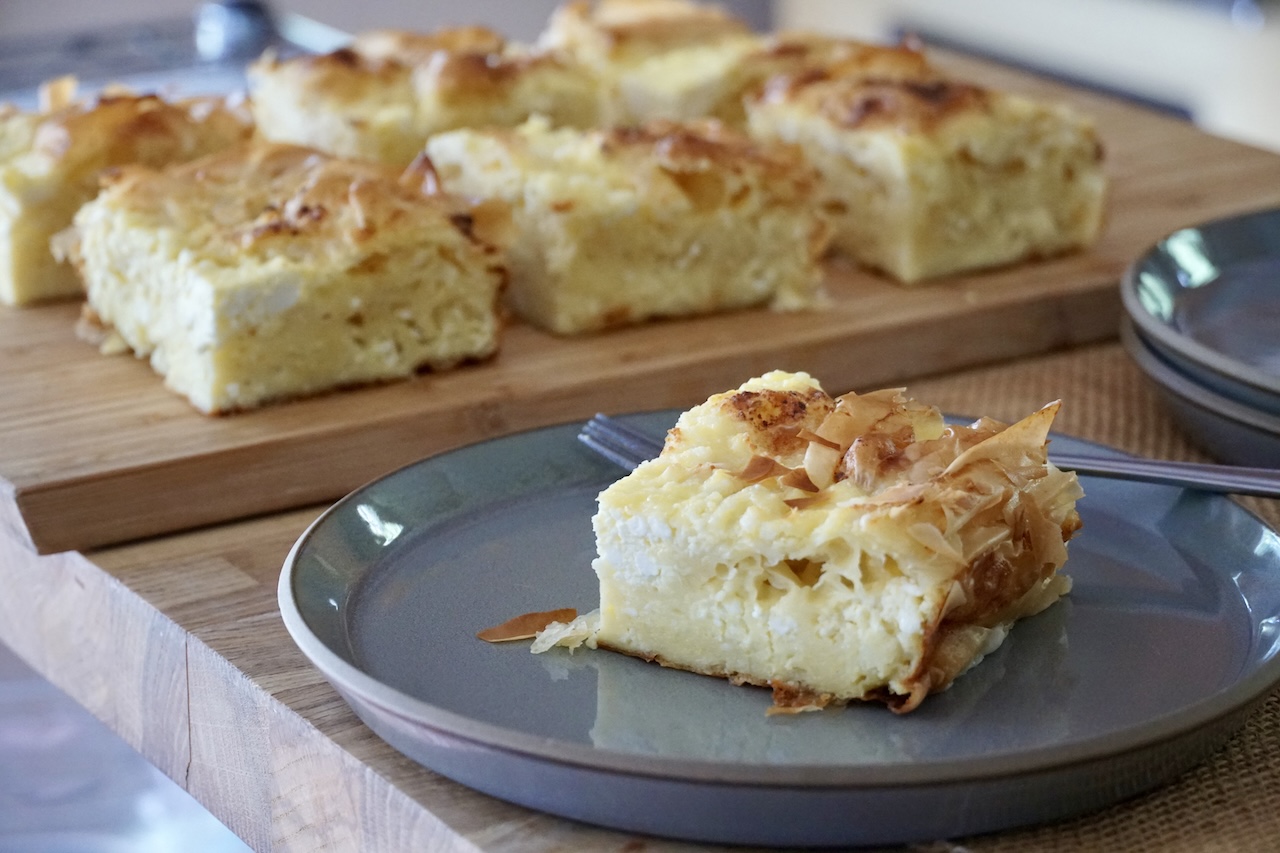
This gibanica recipe makes a SERBIAN CHEESE PIE that’s an absolute treat. I’ve eaten a lot of gibanica over the years; it’s one of the most recognizable pastry dishes from the Balkans. In Serbia, the dish is eaten for breakfast, dinner, as an appetizer or for a snack. Speaking from experience as both a maker and an eater: put out a plate or pan of SERBIAN CHEESE PIE and they’ll all come running. It’s so delicious.
Before I list a few tips and suggestions on how to make it, I want to emphasize that this is just my personal take on this classic treat. Years ago, I had the pleasure of making a meal with Teta Ljepša, a beloved member of my Serbian choir. We had a crowd to feed, and she pulled together a gibanica by grabbing things from the fridge, whisking together a quick custard, dipping phyllo into the eggy mix, and then baking. The whole process was quick and effortless. By all means, and I’ll explain as we continue, feel free to tweak this recipe to suit your taste. It’s a recipe that is open to interpretation.
Here’s how we make gibanica, SERBIAN CHEESE PIE:
INGREDIENTS
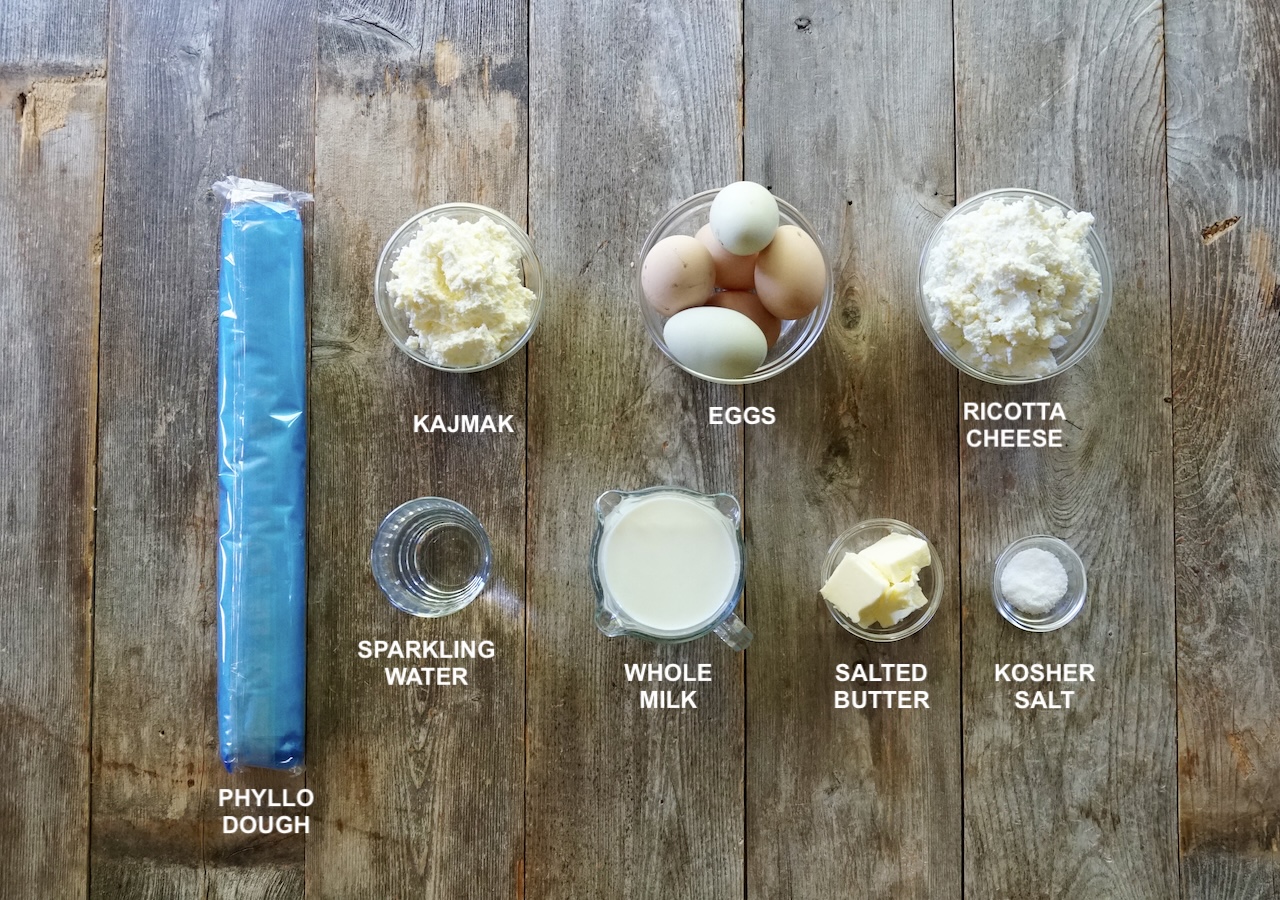
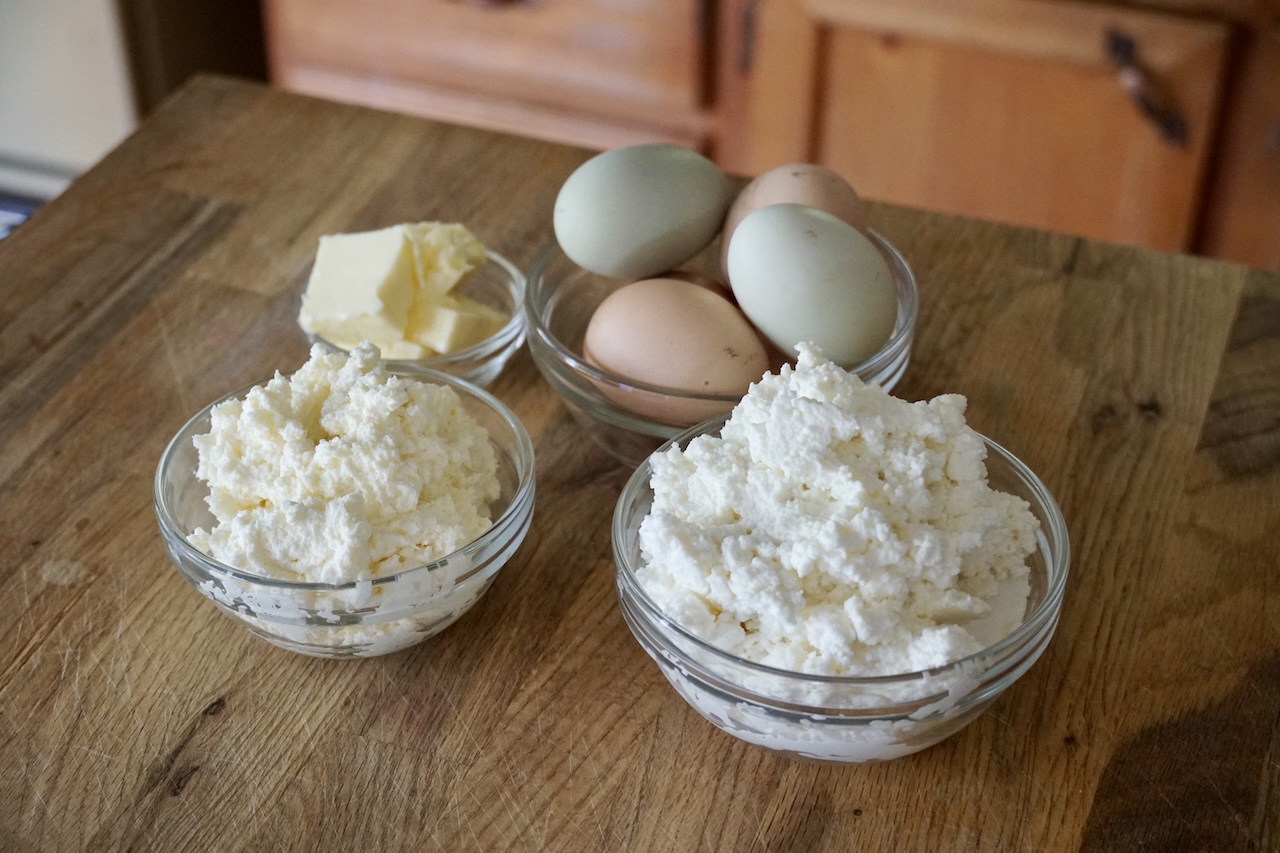
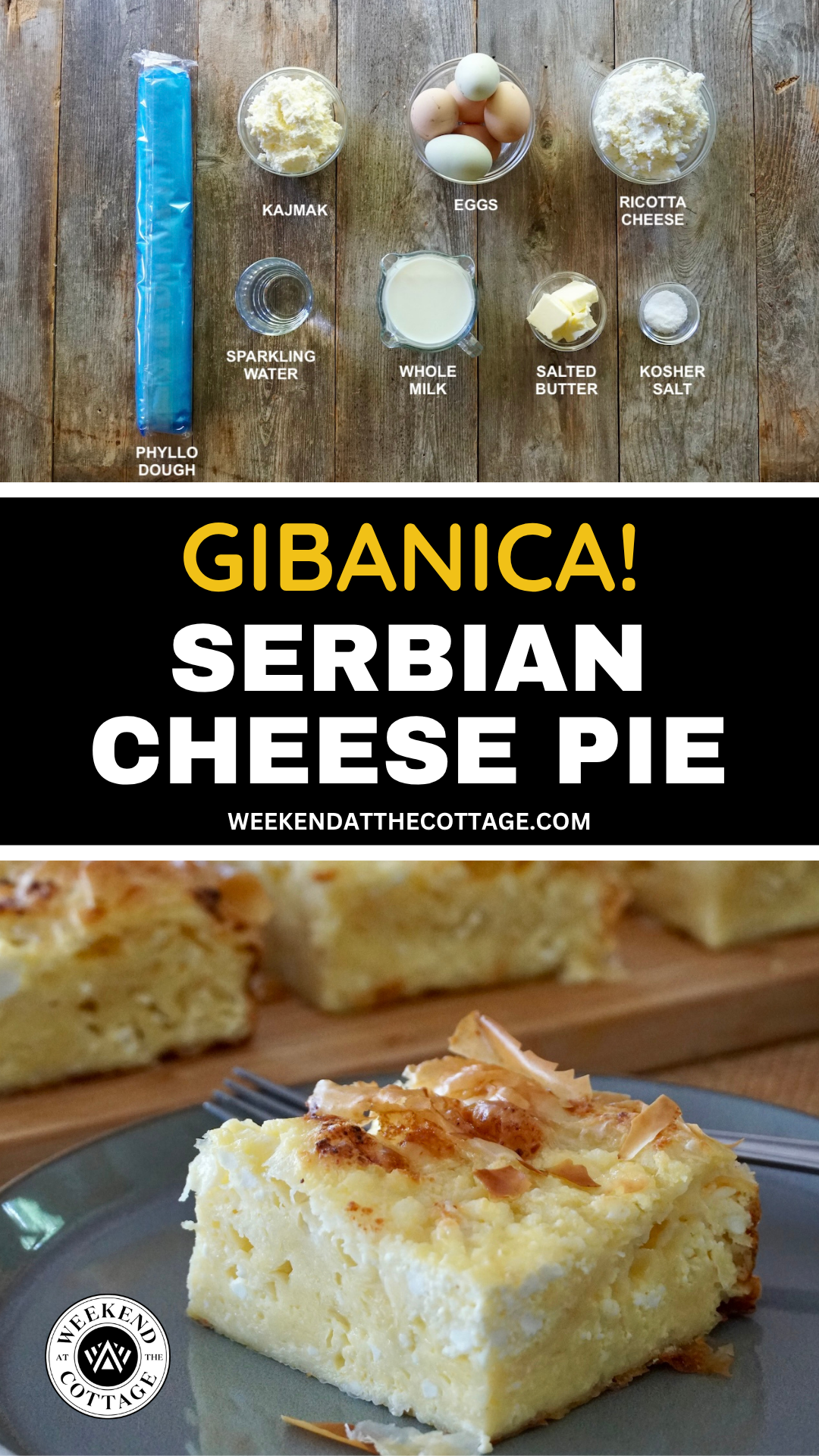
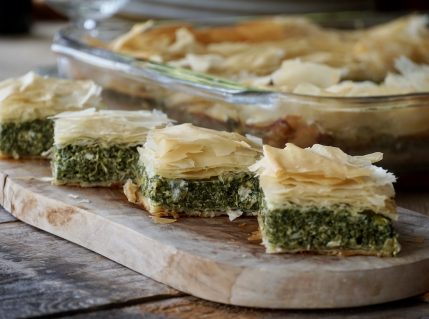
Looking at the above photo, we expect you’ll get it; the ingredients for this baked pie recipe really lean into the dairy. Also, unlike SPANAKOPITA, there’s no spinach in sight! And then, what the heck is that one ingredient, kajmak? Keep reading.
Here are the basics to begin. You’ll need a package of store-bought frozen phyllo pastry, fresh eggs, whole milk, ricotta cheese, kosher salt, sparkling water, and salted butter. For best results, we suggest having the eggs, cheese, and milk at room temperature before you begin. Oh, and about that kajmak…
KAJMAK
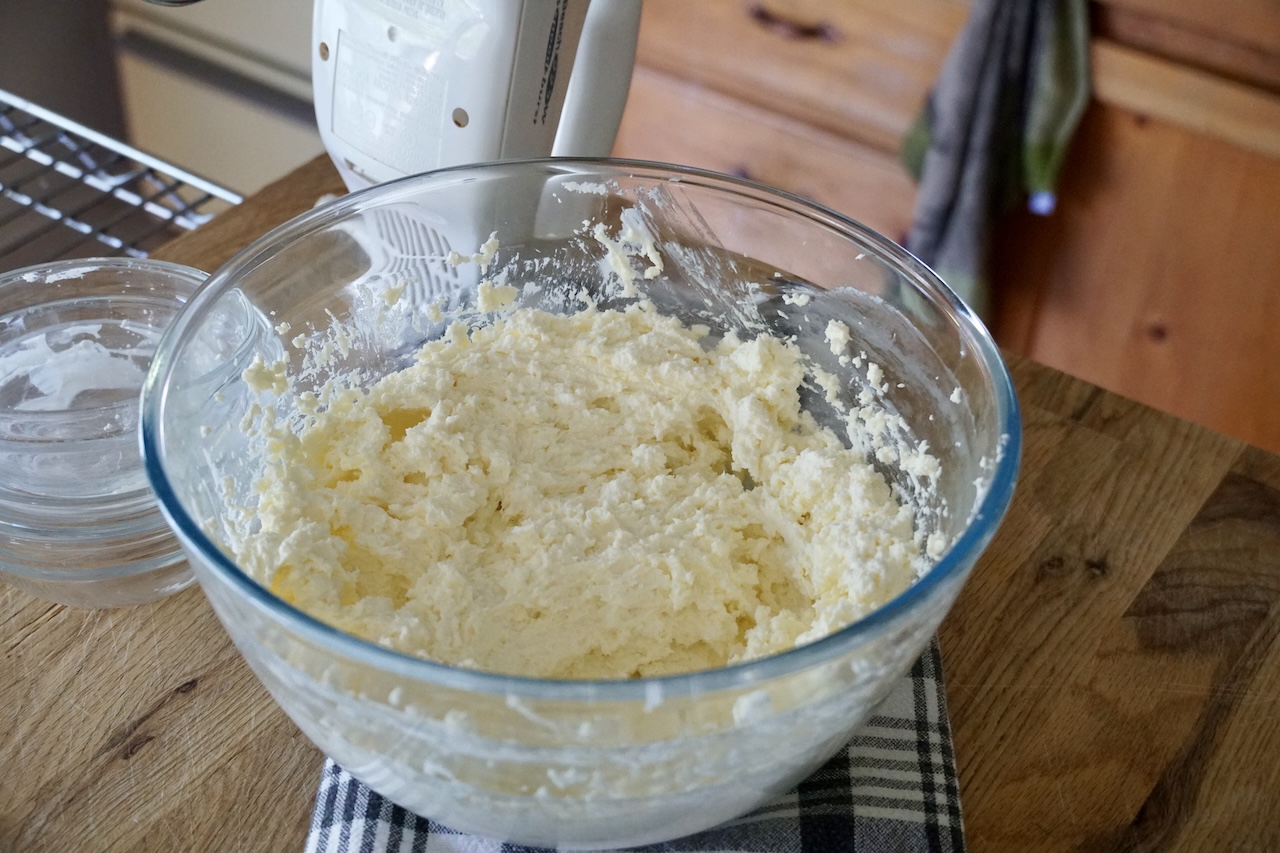
Pronounced “kai-muck”, also spelled kaymak, think of it as a rich, creamy dairy product similar to a clotted cream. Some people say it’s more akin to a spreadable, unripened cheese. It’s extremely popular in the Balkan region (such as Serbia, Bosnia, and Croatia), Türkiye, and the Middle East, where it’s made by boiling, simmering, and skimming the fat layer from the high-fat milk of cows, sheep, or water buffalo.
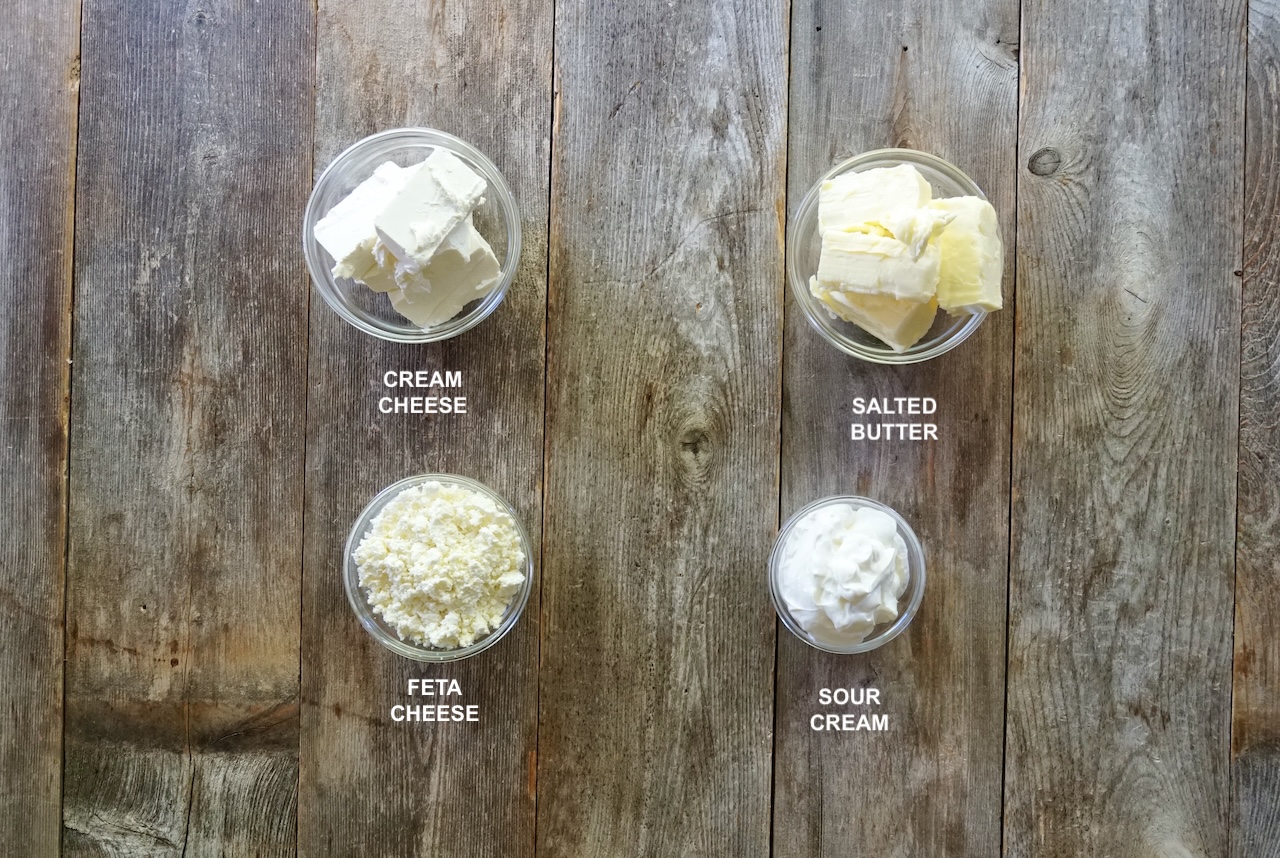
Knowing I wanted to incorporate some into this recipe for SERBIAN CHEESE PIE, I put a call out to my friend Olga Lukich. The answer came back quickly: “Make Rada’s recipe!” So, here’s a big shoutout to my dear friend Rada Lukich, who has crafted something so rich and wonderful using cream cheese, salted butter (a first for WATC), feta cheese, and sour cream. I think we all need to say, “We LOVE you, Rada!”
Making it is simple (instructions down below); the trick is that the ingredients must be at room temperature, use only salted butter, and be sure to thoroughly combine. Pro tip: whip for the full 2 minutes and 23 seconds as you listen to this classic Serbian banger, Rada the Shepherdess!
PHYLLO DOUGH
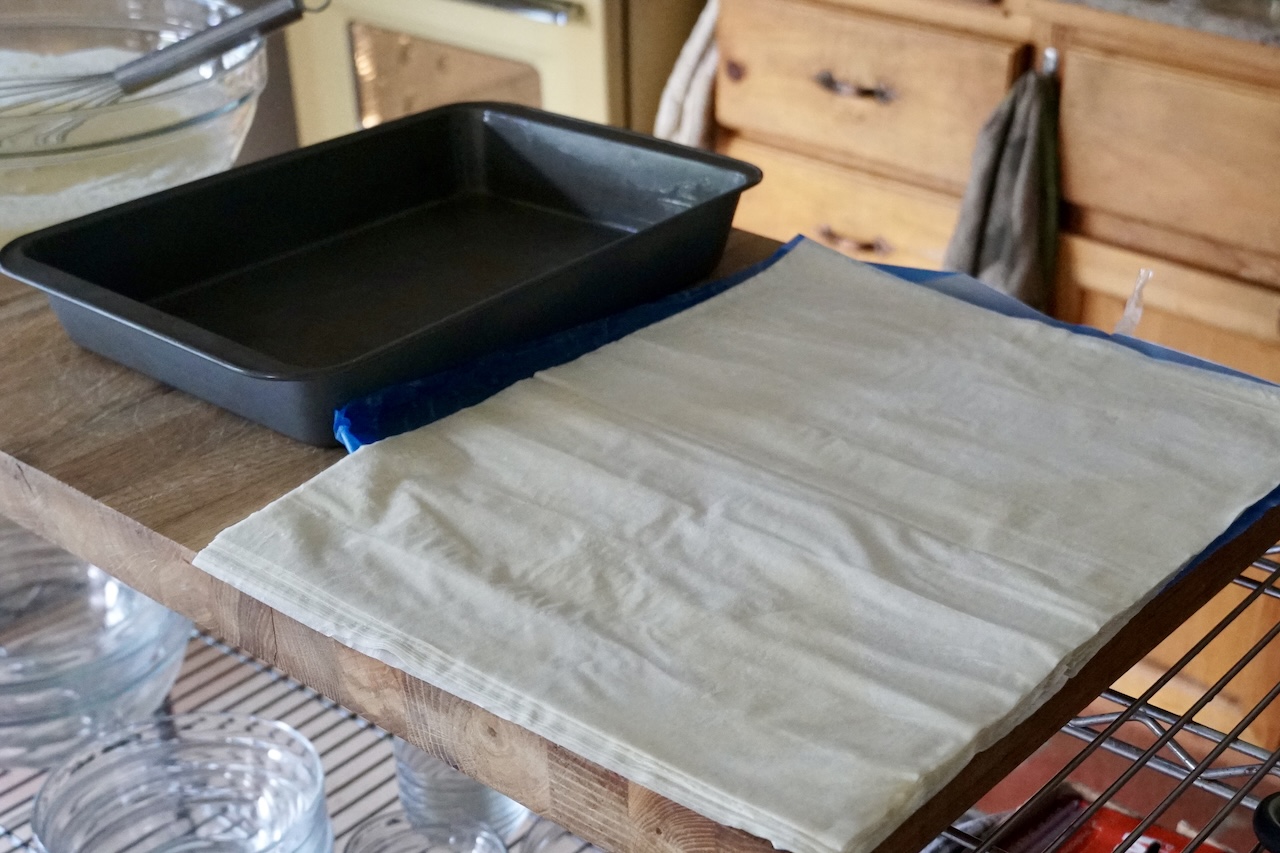
I’m pretty sure back in the day, any gibanica maker worth their weight in cheese made their dough from scratch. Though still a goal if we were making homemade apple strudel or cheese burek, for this recipe, it’s all about ease of preparation. Thankfully, times have changed, and we can make this SERBIAN CHEESE PIE using store-bought phyllo dough that doubles for homemade pastry sheets. Follow package directions to thaw overnight in the fridge or for four hours thawing on the counter.
CHEESE
One of the variable ingredients we encourage you to play around with when making this recipe is the cheese. Though we made this recipe using ricotta cheese, dry cottage cheese, low-fat cottage cheese, or crumbled feta cheese will work too. For best results, crumble the feta or cottage cheese as finely as possible. This will help create a more even texture with the egg mixture. One thing I did do was add additional salt to this recipe. If using feta cheese, don’t add more, but if using ricotta or cottage cheese, add 1 or 2 more teaspoons of kosher salt for added flavour. This will give the cheese filling a bit more pop.
MILK AND SPARKLING WATER
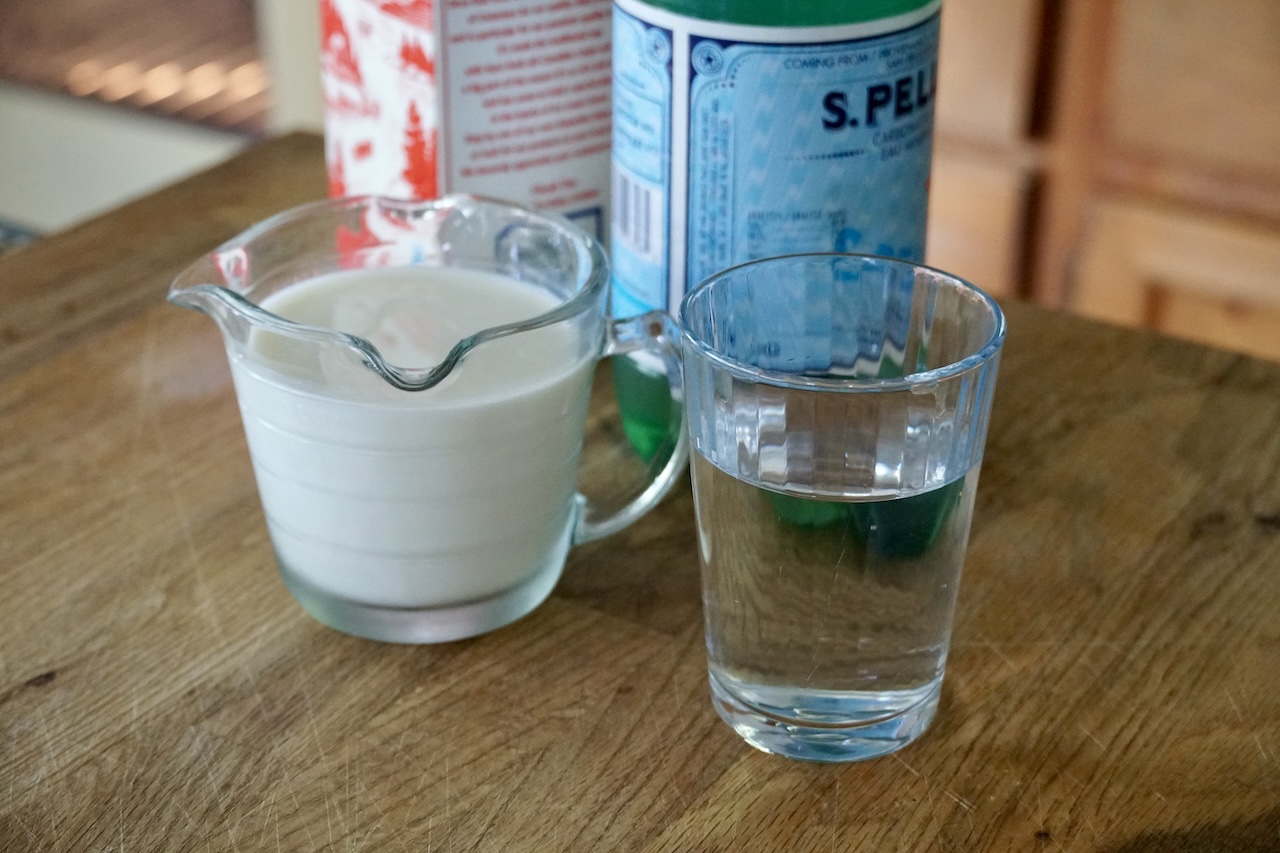
Two liquids are added to the cheese, kajmak and eggs: whole milk and sparkling water. The milk contributes a pleasing silkiness to the custard while the sparkling water gives the baked cheese pie some lift. Gotta say, I was a bit skeptical about adding the sparkling water, but everyone adds it, and yup, it really works. For sure, better than adding baking powder.
CUSTARD
Whisking up the custard for this baked cheese pie is super simple. The only caveat is to whisk the ingredients in a large mixing bowl. It provides ample space for when we add the crumpled phyllo dough later in the process.
BAKING PAN – TEPSIJA
Each region of the Balkans has little hallmarks to make this recipe their own, but the one thing that doesn’t change is the pan you make it in. The term is tepsija, and it can be a wide, shallow, round or rectangular baking pan or tray used for roasting meats, baking pastries, or making casseroles. In my experience, metal pans brown the phyllo dough better than, let’s say, a glass casserole dish. Prepping the pan for this recipe is easy. Simply brush the base and sides with melted butter. There’s no need to add parchment paper. Squares or wedges of the finished baked pastry come up and away without incident.
HOW TO ASSEMBLE
Assembling this SERBIAN CHEESE PIE is meant to be easy, almost foolproof. Make sure to watch the VIDEO to see how simple the process is. Remember to line the greased pan with sheets of phyllo before you begin adding the crumpled, cheese-soaked ones, creating a layer of dough that acts as a base.
After that, take sheets of dough, dip them into the cheese mixture, then clump them into the pan. You’ll be able to adjust the positioning of the dough so that they all fit. Once you’re down to the final two sheets, fold the edges of the base sheets over the filling, then lay the last two top sheets. The final step is to poke the pie with a small knife or fork before adding any remaining custard mix and drizzling any remaining butter over top.
BAKING GIBANICA
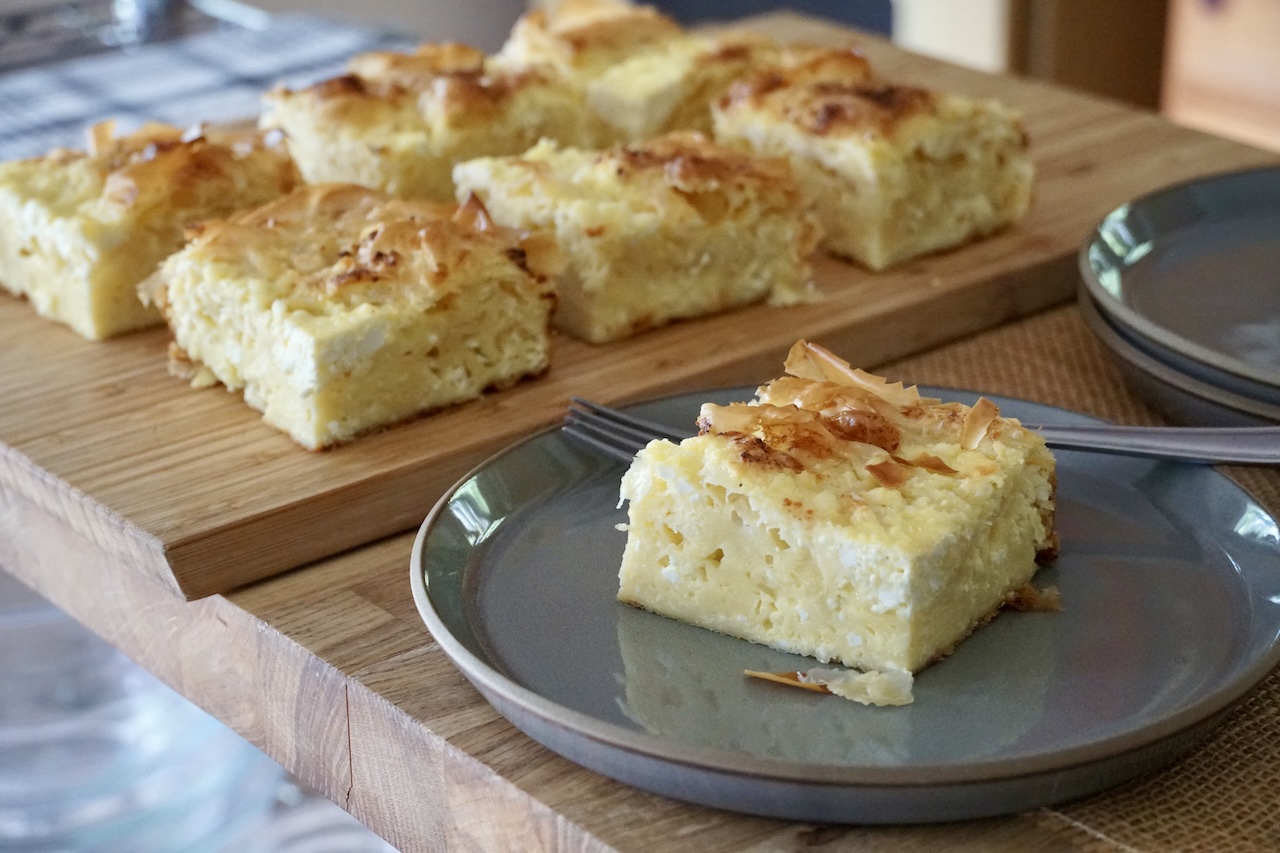
To bake this SERBIAN CHEESE PIE … stick the pan in the oven. Ha! But seriously, no special baking directions required. Just get ready for some seriously appetizing aromas. As the dish bakes, your kitchen will fill with the enticing smells of cheese and butter and all that phyllo baking to perfection. The pie is done when the top goes golden brown, and the centre is set and just a bit spongy when you poke it with your finger. Let the finished pie cool for about five minutes before you cut and serve.
Remember how I mentioned gibanica can be enjoyed as breakfast, dinner, an appetizer or a snack? No matter how it’s enjoyed, serve it as is, squares or wedges on plates which guests will happily devour. It also makes a lovely addition to any meal when paired with salads, grilled veggies and a favourite meat or poultry main. It’s also amazing served with a dollop of AJVAR, a roasted red pepper dip on the side.
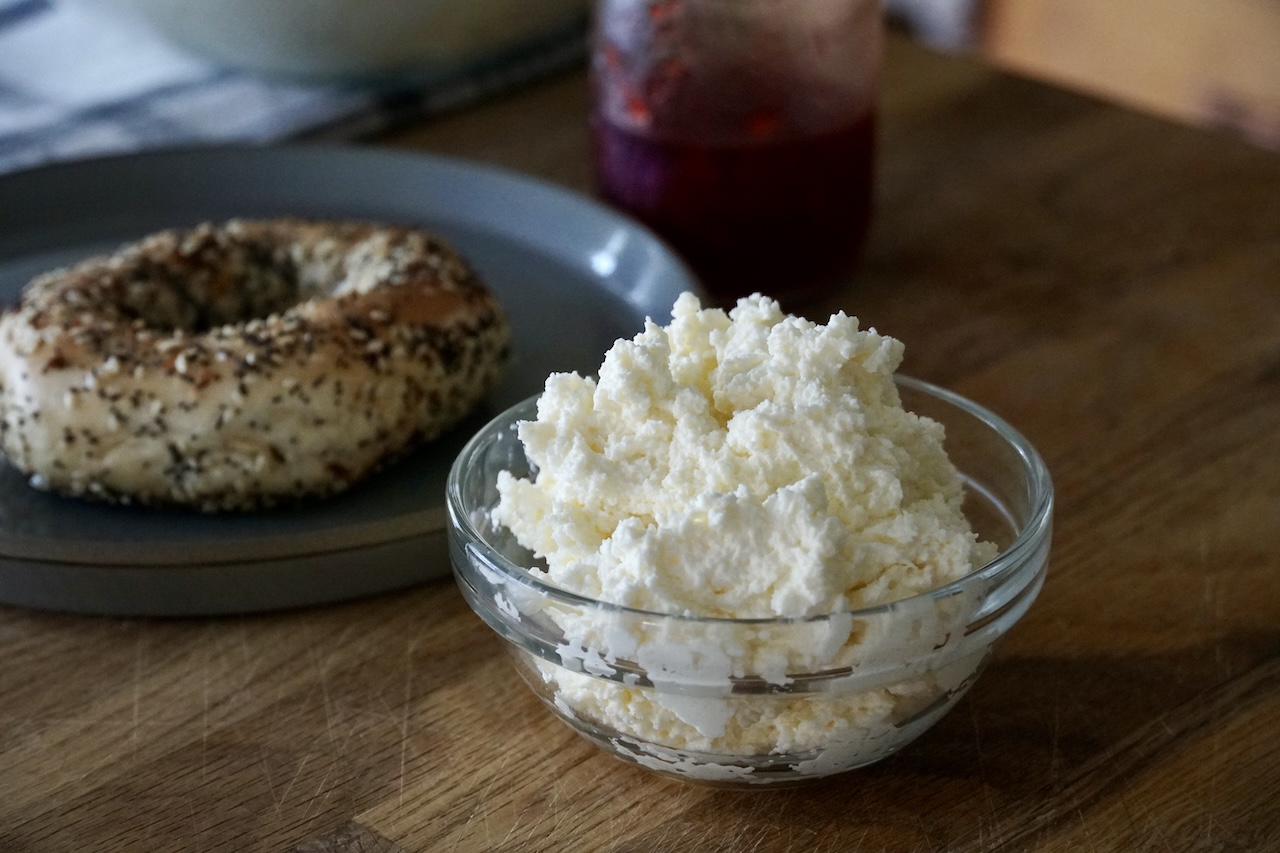
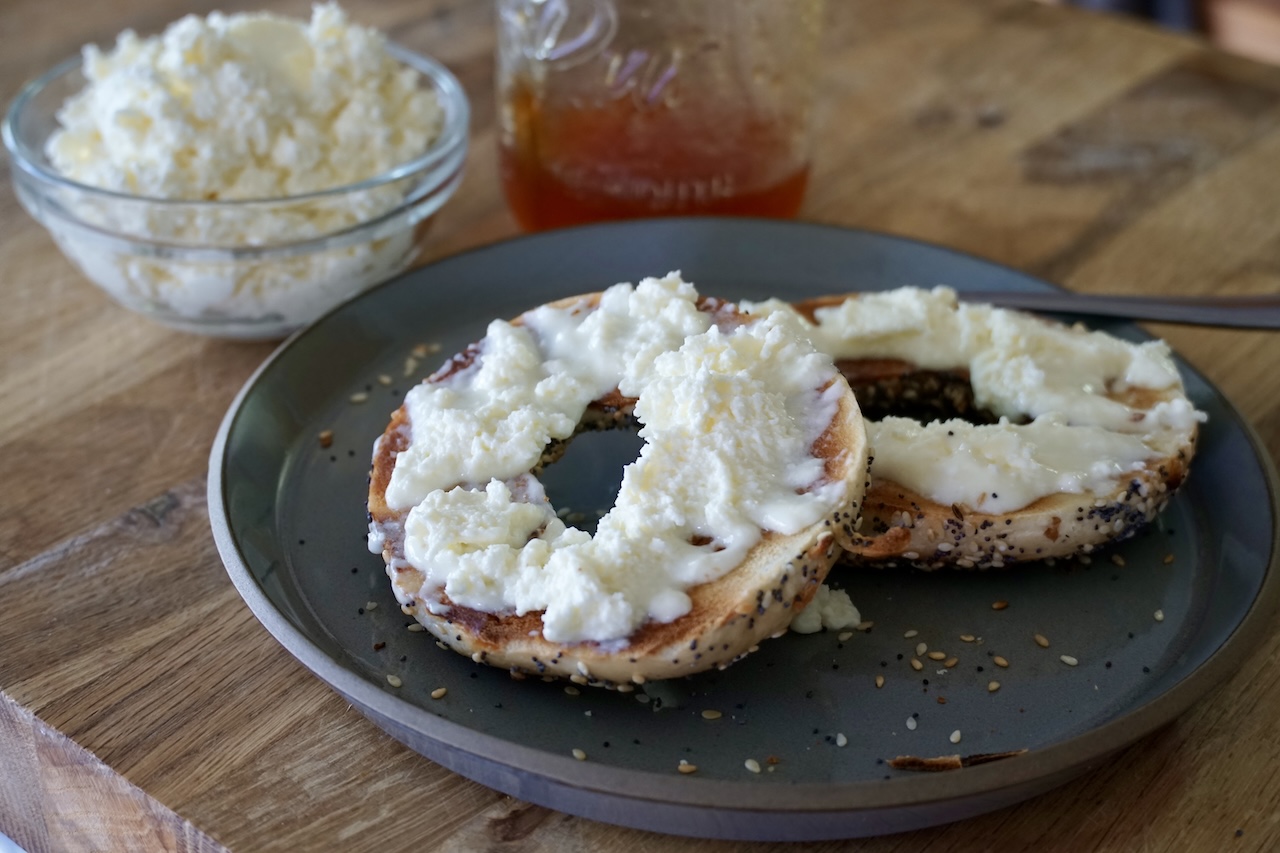
What about that leftover kajmak? Our recipe yields almost two cups, but only a portion is used in the cheese pie. Enjoy the leftovers as you would cream cheese, smearing it onto toasted bread or bagels. It melts and gets all fab! I love it paired with a swipe of homemade jam too, or use it as a condiment when making sandwiches. I had some on hand when family visited last weekend, and it was gone within a day—so good!
PIN IT!
Before you go, how about a favour? SHARE! Please PIN it to a favourite weekend baking or savoury baked goods board on Pinterest. Also send this link to friends so they can try. After that, send some love our way and please subscribe to our monthly newsletter HERE, where we share our top recipes and give a sneak peek at upcoming posts. You’ll also receive Gather, our mid-month missive focused on ideas to entertain family and friends.
GIBANICA, a SERBIAN CHEESE PIE is a wonderfully tasty treat you can serve anytime. Prijatno! Enjoy!
Cook Mode Use cook mode to keep your screen on while cooking.
Ingredients
6 eggs, room temperature
400 g ricotta cheese
200 g kajmak
⅓ cup sparkling mineral water
1 cup whole milk
1 tablespoon kosher salt
3 tablespoons melted butter
450 g phyllo pastry, thawed
For the kajmak:
2½ sticks salted butter, 275 g
1 package cream cheese, 250 g
6 ounces sour cream, 170 g
4 ounces feta cheese, crumbled, 110 g
Directions
Prepare the kajmak: Place all of the ingredients into a medium bowl. Using a hand blender, blend until light and creamy with all of the ingredients thoroughly combined. Measure the quantity for the cheese pie. Store the remaining in an airtight container. Keep refrigerated, enjoying within 2 weeks.
For the cheese pie: Preheat oven to 400°F. Grease a 9 x 13-inch metal pan or 12-inch circular pan with melted butter. Set aside.
Create custard: Place eggs, cheese and kajmak into a large bowl, whisking together to incorporate. Add milk and water, whisk again.
Assemble: Line the baking pan with two sheets of phyllo, leaving edges hanging over the sides on the pan. Place the bowl with the custard beside. Take one sheet of dough, dip it into the bowl, crumpling it and place it into the baking dish. Repeat, adding clumps of dough next to each other within the pan, using all of the dough and filling the pan with clumps. Once down to the final 2 sheets of dough, fold the overhanging edges over the filling then add the last two sheets of dough over the top. Poke holes into the top of the pie with a small sharp knife. Pour the remaining cheese mixture over the top of the pie, followed by any remaining melted butter.
Transfer to the oven baking for 30 minutes or until the top is puffed and golden and the centre is set and springs back when poked.
Remove from oven. Cool for 5 minutes before cutting and serving.
 Until Thanksgiving